
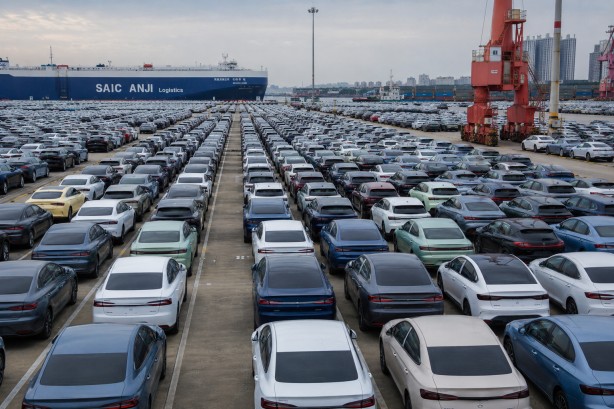
China has emerged as the dominant force in the electric vehicle (EV) market, reshaping the global automotive landscape with its rapid ascent. This explosive growth has been powered by a combination of government incentives, substantial local investment, and robust consumer demand, fostering the rise of major companies and solidifying China’s leadership in battery technology and clean transportation. However, the aggressive expansion has not been without its challenges, as concerns mount over potential overproduction and escalating competition within the sector.
In the past decade, the Chinese government’s strategic push into the EV sector has led to the establishment of numerous companies aiming to capitalize on burgeoning market opportunities. This initiative has spurred the creation of some of the country’s most successful automakers. Yet, the industry’s swift growth has led to a situation where production capacity exceeds market needs, resulting in an environment of price wars and financial strain among manufacturers.
The competitive landscape has intensified, with manufacturers slashing prices to lure consumers and increase their market share. This fierce competition has created a challenging environment for smaller companies struggling to keep pace, while larger firms continue to pour resources into technological advancements, production capabilities, and expanding their reach into foreign markets.
Chinese authorities have recently expressed concerns about this unchecked expansion, highlighting the economic risks associated with overcapacity. Industry experts emphasize the necessity of finding a balance between fostering innovation and maintaining sustainable long-term growth, to mitigate these risks.
Despite these challenges, China continues to hold its position as the global leader in electric vehicles. Its manufacturers are not only dominating the domestic market but are also making significant inroads into international territories, shaping the future trajectory of global transportation.