
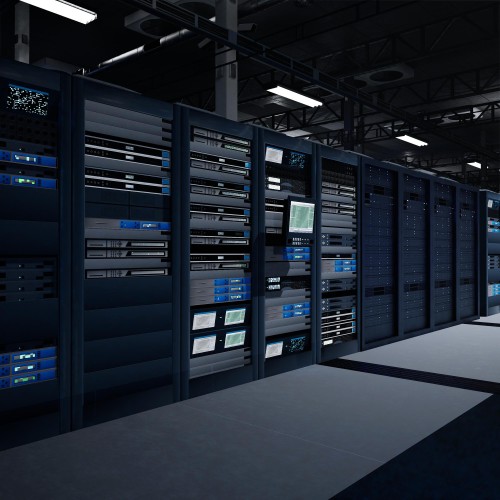
China has reclaimed the top spot in global supercomputer rankings with its newly unveiled LineShine system, marking a significant milestone in the nation’s quest to advance its domestic computing technology. Positioned at the National Supercomputing Centre in Shenzhen, the LineShine supercomputer outperformed the previously leading US system using its homegrown chips. While this accomplishment underscores China’s technological strides, experts caution that it doesn’t necessarily indicate a leap ahead of the United States in artificial intelligence capabilities.
The ranking primarily evaluates supercomputers designed for scientific computing, which can differ from the performance metrics of modern AI workloads. In recent years, the world’s most powerful AI systems have often been developed by major technology firms, which typically fall outside these specific rankings. Experts emphasize that advanced AI computing relies substantially on specialized chips and extensive data center infrastructure, areas where traditional supercomputer metrics may not fully capture performance.
China’s resurgence in the supercomputer rankings signals its ongoing efforts to achieve greater self-reliance in chip design and computing technology. However, the nation still faces hurdles, particularly concerning access to advanced AI chips, which poses a challenge to its AI development ambitions. These restrictions underscore the complexities China confronts as it seeks to advance its capabilities in the rapidly evolving field of artificial intelligence.
The competition between China and the United States in the realm of advanced computing is intensifying, as both nations ramp up investments in artificial intelligence, quantum technology, and next-generation computing systems. This rivalry reflects broader geopolitical dynamics, with each country striving to secure a leading position in technological innovation and infrastructure.