
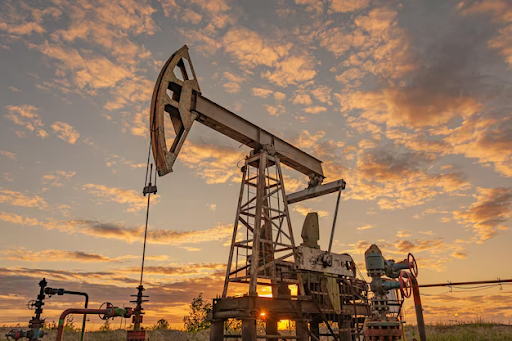
While some companies have already hit record highs, other energy giants like BP and TotalEnergies are also seeing significant upward movement in their stock prices. BP’s shares have climbed by 12% since the end of February, bringing the company’s market valuation to £82bn. Similarly, France’s TotalEnergies recorded a 10% gain, reaching a value of approximately €176bn as investors react to the Middle East supply crunch.
These gains come as the world struggles with an “energy supply shock” that has pushed the price of oil well above $100 per barrel. TotalEnergies and BP have benefited from the rising tide of energy prices, even as they work to manage their diverse global portfolios during a time of war. The market’s reaction suggests that investors still view these firms as essential components of the global economy, despite the ongoing shift toward renewables.
The current crisis has also affected secondary energy markets, including liquefied natural gas (LNG). Shutdowns in Qatar have tightened the global gas supply, further driving up prices and benefiting companies with alternative production assets. For many of these firms, the increased revenue from high prices is more than enough to cover the losses from temporary production halts.
As these companies record double-digit gains, the call for a “socially just” tax response is growing louder. Environmental groups are advocating for a windfall tax that would serve two purposes: providing immediate financial relief to families and funding the transition to a low-carbon economy. They argue that allowing these companies to keep war-driven profits is a form of “climate disruption” subsidy.
The tension between profit and policy is likely to be a defining feature of the 2026 energy market. Governments must decide if they will allow the “super majors” to retain these historic gains or if they will intervene to redistribute the wealth. The choice will have long-lasting implications for global energy stability and the pace of the clean energy transition.