
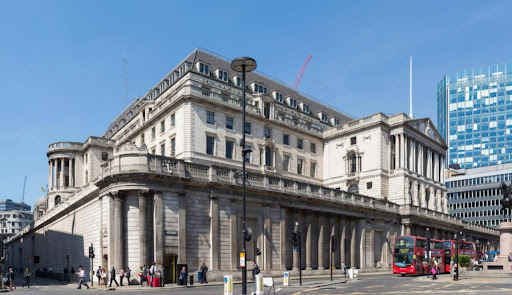
Britain’s central bank kept interest rates at 3.75% on Thursday, warning that rising energy costs driven by the conflict in the Middle East could push inflation above 3% and trigger borrowing cost increases within months. The decision by the monetary policy committee was unanimous, reflecting a shared view that the situation required caution rather than action. It represents a significant pivot from the rate-cutting path the Bank had appeared to be on earlier this year.
UK inflation had been on a downward trajectory heading into 2025, with forecasts pointing to a return to the 2% target around April. That picture has been transformed by the US-Israel war on Iran, which has driven up global oil and gas prices and created uncertainty about energy supply. The Bank now projects inflation rising to approximately 3.5% in March and staying elevated throughout 2026.
Governor Andrew Bailey described the war as a new and unwelcome shock to the UK economy. He pointed to higher petrol prices as an early warning sign and said households could face steeper energy bills if the disruption continues. Despite the worrying outlook, he said the Bank’s decision today was to hold, not act.
City traders responded by betting on two rate increases before the year is out, with financial markets now assigning near-certain probability to a June hike. UK government borrowing costs rose and the FTSE 100 declined as investors adjusted their positions. The pound strengthened slightly against the dollar following the announcement.
The decision adds complexity to the government’s economic strategy, with analysts suggesting rising mortgage rates undermine Labour’s growth agenda. Chancellor Rachel Reeves is reportedly considering additional support for households facing higher energy costs. The coming months will be critical in determining whether the Bank moves toward tightening or can eventually return to easing.