
EU leaders are preparing for a critical summit this Thursday to debate a range of emergency measures aimed at lowering the cost of living for 450 million citizens. Following a preliminary meeting of energy ministers in Brussels, the focus has narrowed to a shortlist of options including gas price caps, national tax reductions, and industry subsidies. The move comes as the U.S.-Israeli conflict with Iran continues to drive energy inflation across the eurozone.
The urgency of the situation is underscored by a 50% jump in benchmark gas prices in just one month. The disruption of key shipping lanes in the Persian Gulf has forced the EU to reconsider its market design, though officials remain wary of radical changes. Energy Commissioner Dan Jorgensen has advocated for “targeted” relief that provides immediate help without undermining the bloc’s long-term environmental targets.
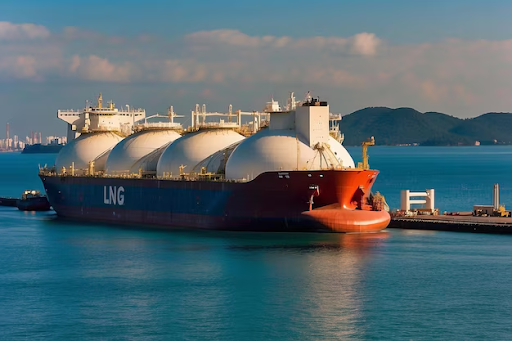
One of the most debated tools is the potential cap on gas prices, a mechanism that was created after the 2022 invasion of Ukraine but never actually utilized. Some member states fear that a cap would make it impossible to compete with Asian buyers for limited LNG supplies. Meanwhile, other nations are already taking independent steps, with Greece capping gasoline profit margins and France conducting aggressive price checks at gas stations.
The disparity in wealth between EU members is a growing concern for Brussels. During the 2022 crisis, Germany spent over 150 billion euros on support measures—nearly a third of the total EU expenditure. Diplomats worry that relying on national subsidies rather than a collective EU fund will widen the economic gap between rich and poor member states as the current conflict persists.
The upcoming summit will be a defining moment for the European Commission’s leadership. If the 27 nations can agree on a coordinated response, it may provide the stability needed to calm jittery global markets. However, with different energy mixes and tax structures across the continent, finding a “one size fits all” solution remains a major hurdle for policymakers.